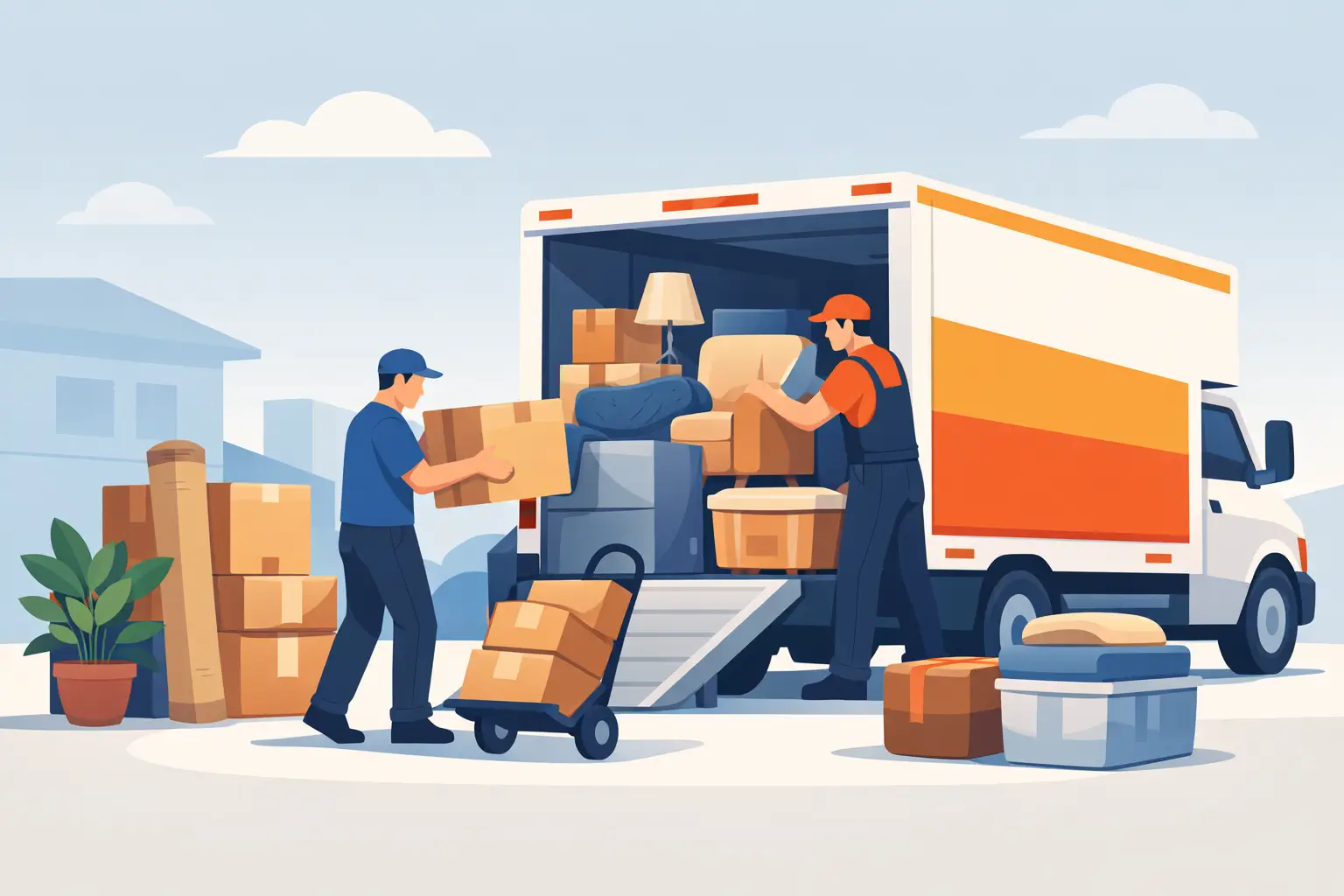
A rental truck can look spacious when you pick it up, then feel surprisingly small once the sofa, mattresses, and first stack of boxes arrive. Knowing how to load rental trucks in the right order helps protect your belongings, keeps the truck stable on Northern Arizona roads, and makes unloading far less frustrating at the other end.
The goal is not to fill every open inch as quickly as possible. A well-loaded truck is balanced, tightly packed, and organized so heavy items stay secure and the things you need first are easy to reach. A little planning before loading begins can save a lot of lifting, repacking, and damaged furniture later.
Start With the Right Truck and Supplies
A truck that is too small creates pressure to stack items unsafely or leave belongings behind. One that is much too large can make it harder to keep the load from shifting. Estimate based on your largest furniture, the number of rooms you are moving, and whether you have a garage, storage unit, or outdoor equipment to bring along.
Before the first item goes into the truck, gather the materials that do the real protective work: moving blankets, stretch wrap, sturdy boxes, packing tape, ratchet straps or tie-downs, a hand truck, and a loading ramp. Blankets protect wood, upholstery, appliances, and door frames. Straps keep the load from leaning or sliding when the driver brakes, turns, or travels over uneven pavement.
Do not rely on loose blankets alone to secure a tall section of furniture. Use the truck’s tie rails as you build each section. If the rental truck has an attic space over the cab, reserve it for light, awkward items such as lampshades, bedding, framed pictures, and a few clearly labeled essentials boxes. Avoid storing heavy items overhead.
How to Load Rental Trucks From Front to Back
Begin at the wall closest to the cab, not at the rear door. This puts the heaviest weight toward the front and lower part of the truck, where it is less likely to affect handling. It also prevents you from having to climb over a finished load to reach the front later.
Load appliances, solid wood furniture, tool chests, large bookcases, and other dense items first. Keep their weight low and distribute it across both sides of the truck. A heavy refrigerator on one side and a few lightweight boxes on the other can create an uneven load. Whenever possible, pair similar weight on the opposite side or place another heavy item nearby to balance the section.
Place large furniture upright when it is designed to stand upright, such as dressers, couches, and many cabinets. This often saves valuable floor space. Protect corners with moving blankets and use stretch wrap to hold the padding in place. Remove drawers if they are loose or heavy, but keep hardware in a labeled bag taped inside the corresponding piece rather than somewhere it can disappear.
Mattresses and box springs can stand on their sides along a truck wall, secured with straps. They create a useful padded layer between furniture and can help protect larger pieces from rubbing together. Do not use mattresses as the only thing holding a heavy object in place, though. The furniture still needs to be tied to a rail.
Once the first section is packed, run a strap across it before building farther back. Think of the truck as a series of secure walls, not one long pile. Each completed section should be stable enough to remain in place on its own.
Build Stable Tiers With Boxes
After the heaviest furniture is secure, add boxes around and on top of it where appropriate. Heaviest boxes go on the floor, medium-weight boxes above them, and light boxes near the top. Keep box stacks square and level. A tower that leans even slightly at the start is likely to shift during the drive.
Use boxes to fill gaps between furniture, but do not force them into spaces where they will crush or bend. Soft items such as pillows, blankets, and bagged linens are useful for small voids. They can keep belongings from rubbing together without putting pressure on fragile pieces.
Boxes labeled “fragile” should never become the base of a stack. Pack dishes, glassware, electronics, and decorative items in sturdy cartons, then place them in a protected area where heavier boxes cannot land on them. Flat-screen televisions, mirrors, and artwork should be wrapped, kept upright, and secured against a firm surface. Never lay a television flat beneath other items.
Keep the Weight Balanced and the Load Tight
A rental truck does not need to be packed with perfect symmetry, but it should not be noticeably heavier on one side. Uneven loading can affect steering and braking, especially on curves, grades, and rough roads. If you are moving through Sedona, Cottonwood, Camp Verde, Cornville, or elsewhere in the Verde Valley, this matters even more on routes with elevation changes and winding stretches.
As you load, step back every so often and look for low spots, leaning stacks, or wide gaps. Empty space allows movement. Fill small gaps with soft goods, then use straps to stabilize larger sections. Do not wedge loose objects under heavy furniture in an attempt to level it. They can slide out and create a bigger problem.
Items such as lawn equipment, grills, and tools need extra attention. Drain fuel and oil from equipment as required by the rental agreement, and keep sharp tools protected. If you are bringing paint, chemicals, propane tanks, or other hazardous materials, check the rental truck rules first. Many of these items should not travel in the truck at all.
Protect the Last Items and Plan for the First Night
The final area near the back door is the right place for lighter, easy-to-carry items and belongings you will need quickly. That may include cleaning supplies, basic tools, a small box of paper towels and trash bags, bedding, medications, pet supplies, and a clearly marked first-night box.
Keep important documents, jewelry, cash, personal electronics, and daily medications with you in your personal vehicle. These items are too valuable or too necessary to bury in a truck full of household goods.
Before closing the door, use one final strap across the rear section. Then gently test the load. Nothing should wobble, roll, or slide when you apply light pressure. Take a quick photo of the finished truck for your own reference, especially if several people will be unloading. It helps everyone understand the loading order and handle fragile sections carefully.
Drive and Unload With the Same Care
Loading safely is only half the job. Rental trucks are longer, taller, and heavier than most personal vehicles. Leave extra room for braking, take turns slowly, watch for overhead clearance, and avoid sudden lane changes. Secure the rear door fully every time you stop.
At the destination, unload from the back in reverse order. Keep one person focused on directing where furniture and boxes go so the crew is not repeatedly moving the same heavy items. If a stack shifted during the drive, pause and stabilize it before anyone pulls pieces out from underneath.
For many households, loading a rental truck is the point where a do-it-yourself move becomes physically demanding. Professional labor-only help can be a practical middle ground: you control the rental and transportation while experienced movers handle the heavy lifting, padding, stacking, and tie-downs. Go Orange Moving Inc. provides careful loading and unloading support for customers who want an experienced hand without giving up control of their move.
Before the truck leaves, take a breath and check the basics: straps are tight, the heaviest pieces are low and forward, fragile items are protected, and your essentials are riding with you. That careful final check can make the first hour in your new place feel like the beginning of a fresh start, not another moving-day problem.